
Fix & Flip or Buy & Hold. The Right Investment Starts With the Right Numbers.
Are you looking for a property to renovate and resell for a profit? Or would you rather purchase rental properties that generate income and help build long-term wealth?
Maybe you're an experienced investor searching for your next opportunity. Perhaps you're preparing to purchase your very first investment property and aren't sure where to begin.
Whatever your investment strategy, buying the right property at the right price is essential.
I'm Michaela Hartery, a South Jersey Realtor and Broker Associate with Peze & Associates Realtors, with 31 years of real estate experience throughout Camden, Burlington, and Gloucester Counties.
I'm also a real estate investor. I own rental properties and have experience investing in residential rehabs.
I understand that investors look at properties differently from traditional home buyers. You're not just purchasing a house. You're evaluating an investment.
I'll help you research potential opportunities, analyze comparable sales, evaluate market conditions, and ask the questions that matter before you make an offer.

Whether you're flipping homes or building a rental portfolio, let's discuss your investment goals.
What Kind of Real Estate Investor Are You?
Not every investment property is right for every investor.
Some buyers are looking for a distressed property they can renovate and sell. Others want income-producing properties they can hold for years.
Your investment strategy determines what kind of properties we should be looking for.
Fix & Flip Investors: Buy, Renovate, and Resell
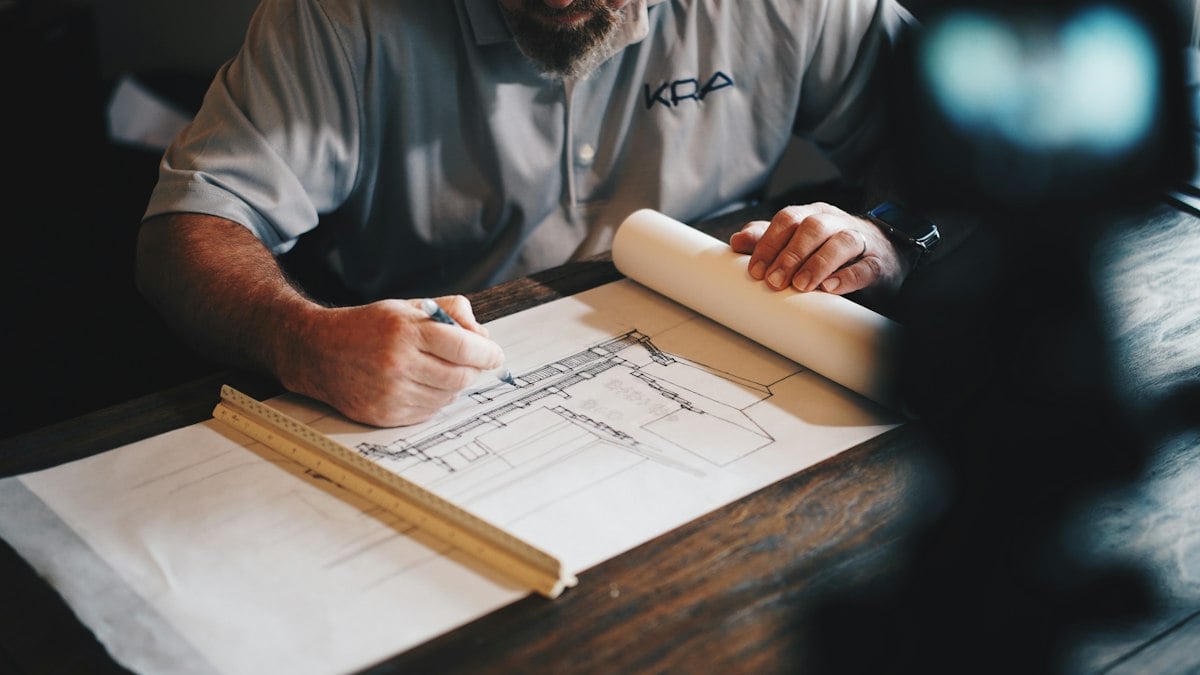
If your goal is to purchase a property, make improvements, and sell it for a profit, finding the right opportunity is critical.
A successful flip isn't simply buying a property that needs work.
It's buying at a price that makes financial sense after accounting for renovations, financing, holding expenses, selling costs, and unexpected repairs.
I'll help you evaluate potential flip opportunities throughout South Jersey. We'll consider:
- Purchase price and comparable property sales.
- Estimated after-repair value (ARV).
- Property condition and the scope of renovations.
- Potential improvements that could appeal to future buyers.
- Property location and competing homes.
- Financing and holding costs.
- Expected resale expenses.
- Estimated time needed to complete the project.
- Your target profit and contingency budget.
Understanding After-Repair Value (ARV)
After-repair value is the estimated market value of a property once planned renovations are completed.
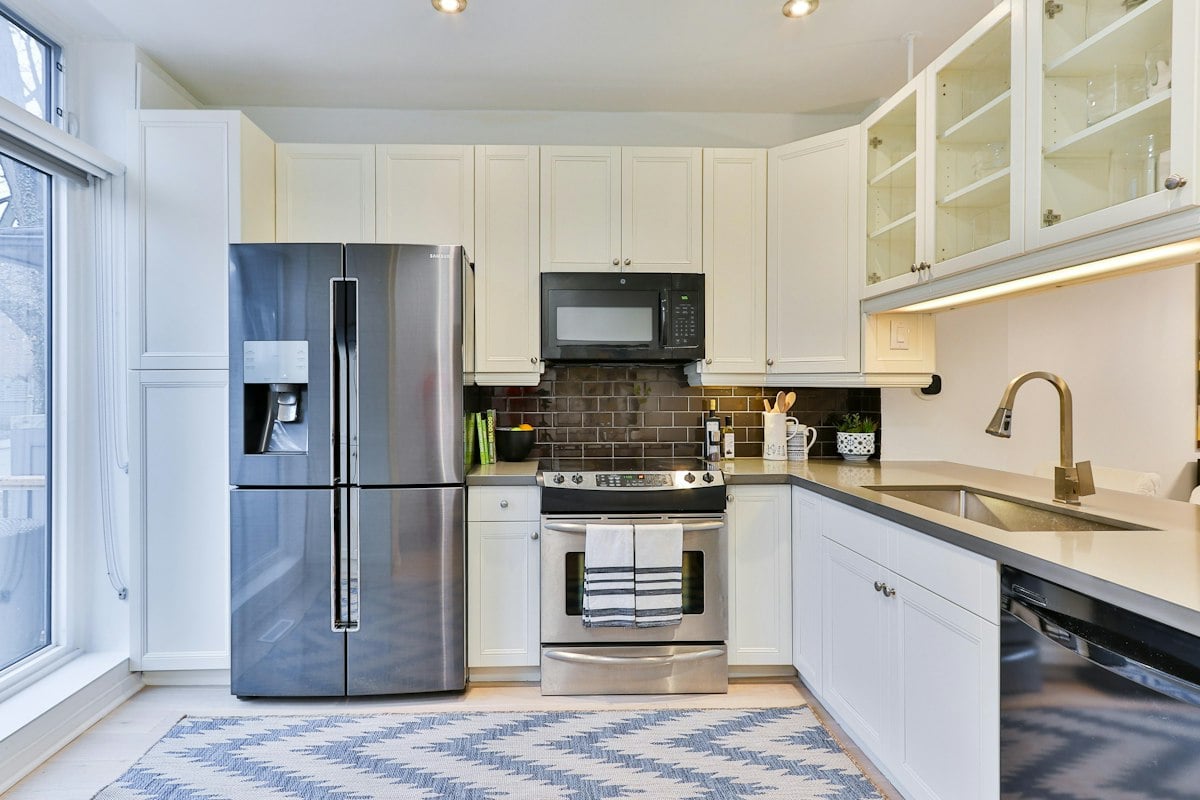
For example, if you're considering purchasing a home that needs a new kitchen, updated bathrooms, flooring, and other improvements, we need to look beyond its current condition.
What have comparable renovated homes sold for in that neighborhood? How quickly are those homes selling? What finishes and improvements are buyers expecting at that price point?
And most importantly, will the projected resale price support your total investment and desired profit?
A property can look like a bargain and still be a poor investment if the renovation costs and resale expectations don't make sense.
I'll help you research the local resale market so you can make a more informed buying decision.
Buy & Hold Investors: Build Rental Income and Long-Term Equity
Maybe you're not interested in renovating and quickly reselling properties.
Instead, your goal is to purchase homes that can generate rental income while potentially building equity over time.
As a rental property owner myself, I understand the importance of looking beyond the advertised rent.
A good rental investment isn't determined by how much rent you collect. It's determined by what the property earns after accounting for its expenses and risks.
When evaluating a potential rental property, we'll consider:
- Purchase price.
- Current or estimated market rent.
- Property taxes.
- Insurance expenses.
- Association fees, if applicable.
- Maintenance and repair costs.
- Capital improvement reserves.
- Vacancy and turnover allowances.
- Property management expenses.
- Financing costs, when applicable.
- Estimated cash flow and return on investment.
We can also look at rental demand, competing rental listings, property condition, and the property's potential for future resale.
Understanding Cash Flow
Cash flow is the money remaining after collecting rental income and paying the property's operating expenses, reserves, and financing payments.
A property generating $2,000 per month in rent isn't necessarily making $2,000 per month.
There are real expenses associated with owning and maintaining rental real estate.
I'll help you review the estimated income and expenses so you can evaluate whether the property fits your investment objectives.
Understanding Cap Rate
The capitalization rate, commonly called the cap rate, helps investors compare a property's annual net operating income to its purchase price or value.
Cap Rate = Annual Net Operating Income ÷ Property Purchase Price
Net operating income is calculated before mortgage principal and interest payments, income taxes, and depreciation.
Cap rates can be useful for comparing rental opportunities, but they don't tell the entire story.
Two properties with similar cap rates may have very different maintenance requirements, financing costs, vacancy risks, and long-term prospects.
Understanding Cash-on-Cash Return
If you're financing an investment property, cash-on-cash return can help evaluate the annual cash flow relative to the actual cash you've invested.
It's another useful measurement when comparing potential investments.
My goal is to help you evaluate properties based on realistic financial expectations, not just attractive listing prices.
What Types of Investment Properties Can You Buy in South Jersey?
South Jersey offers different types of residential properties that may appeal to investors.
Single-Family Rental Homes
Single-family homes may appeal to investors looking for traditional long-term residential rentals. We'll evaluate purchase prices, rental comparables, maintenance requirements, and potential operating expenses.
Duplexes and Two-Family Properties
Properties with two rental units may offer multiple income streams. However, the property's legal use, rental licenses, tenant occupancy, building condition, and operating expenses need to be carefully reviewed.
Condominiums and Townhomes
Some condos and townhomes may be suitable for investment purposes. But investors must investigate association fees, leasing restrictions, rental caps, special assessments, and mortgage requirements. Not every condo association permits unrestricted rentals.
Properties Needing Renovation
Some investors prefer homes that need cosmetic improvements, major renovations, or substantial updating. The key is understanding the condition, potential repair costs, permit requirements, and expected resale or rental value.
Occupied Rental Properties
Buying a property with existing tenants can be an option for investors seeking established rental income. But existing leases, rent collection records, security deposits, maintenance history, occupancy requirements, and the legal rights of tenants must be reviewed before purchasing.
Where Should You Buy Investment Property in South Jersey?
I work with buyers throughout Camden, Burlington, and Gloucester Counties.
Each market has different property prices, housing characteristics, rental conditions, and resale opportunities.
Camden County
Investors may explore properties in Cherry Hill, Pennsauken, Gloucester Township, Collingswood, Voorhees, and other Camden County communities. The appropriate location depends on your investment budget, desired property type, potential rental income, and resale strategy.
Burlington County
Maple Shade, Mount Laurel, Marlton, Delran, Cinnaminson, Mount Holly, and surrounding communities offer different types of residential investment opportunities. I'll help you compare property prices, taxes, comparable rents, and market activity.
Gloucester County
Investors can also consider areas such as Washington Township, Deptford, West Deptford, Glassboro, Williamstown, Woodbury, and nearby communities. We'll evaluate available opportunities using current local data rather than assuming that a particular town is automatically a good investment.
There's no single South Jersey town that's right for every investor.
A property that's attractive to a flipper may not produce the cash flow a rental investor needs. And a rental property that works for a cash buyer may not generate sufficient returns for an investor using financing.
That's why I start by understanding your strategy and financial objectives.
The Numbers Must Make Sense Before You Buy
One of the biggest mistakes investors can make is becoming emotionally attached to a property or assuming that its potential will automatically produce a profit.
Before making an investment purchase, we should discuss:
- Your purchase budget. How much are you prepared to invest?
- Your financing. Are you paying cash, using conventional investment financing, or exploring another lending option?
- Your improvement budget. How much work will the property require, and have qualified contractors evaluated the expected costs?
- Your holding period. Are you planning to sell in several months or hold the property for many years?
- Your projected return. What level of profit, cash flow, or return would make the investment worthwhile to you?
- Your risk tolerance. How would unexpected repairs, financing expenses, market changes, or longer vacancies affect your investment?
Buying a Property AS IS
Many investment opportunities are marketed in AS IS condition.
But purchasing AS IS doesn't automatically mean the property is a good deal, and it doesn't eliminate the importance of due diligence.
I'll help you understand the property's market position and coordinate appropriate opportunities for inspections and professional evaluations, subject to the terms of your contract.
Major issues involving roofs, foundations, water intrusion, electrical systems, plumbing, sewer lines, and structural components can significantly affect an investment.
The goal isn't simply to buy a property below market value. It's to buy a property that still makes sense after you account for its true costs.
Important Things Rental Investors Should Know About New Jersey
Owning rental properties comes with responsibilities.
Before purchasing, investors should investigate applicable New Jersey and municipal requirements. Depending on the property and its location, these may include:
- Rental registration or licensing.
- Municipal inspections and certificates.
- Lead-safe certification requirements for covered rental properties.
- Property maintenance and housing codes.
- Existing tenant leases and security deposits.
- Applicable rent-control or rent-stabilization ordinances.
- Zoning and permitted use.
- Condominium or homeowners association rental restrictions.
- Landlord insurance requirements.
Some older rental properties are subject to New Jersey lead-based paint inspection requirements. The applicable obligations and exemptions should be verified before purchasing.
Rental investors should also consult their tax advisers regarding depreciation, income reporting, deductible operating expenses, and the treatment of improvements.
I'll help identify the questions you should investigate and coordinate with the appropriate professionals.
Why Work With Michaela Hartery When Buying Investment Property?
I'm a Realtor and a Real Estate Investor
I understand investment property ownership from personal experience. I own rental properties and have experience with rehab investments, so I appreciate the importance of evaluating expenses, property condition, and potential returns.
31 Years of Local Real Estate Experience
I've worked in South Jersey real estate through changing market conditions and understand the importance of analyzing local sales activity, pricing, and property values.
I Understand Buyers and Sellers
Whether you're purchasing a distressed property, selling a renovated house, or buying a rental property, my experience representing both buyers and sellers can help you navigate negotiations and transactions.
I Believe in Realistic Numbers
I'll help you research comparable sales, evaluate market rent information, and discuss costs that should be considered before making an offer. I won't tell you a property is a great investment just because the listing price looks attractive.
Communication and Personal Attention
I know investors often need timely answers, accurate information, and the ability to act when a suitable property becomes available. I return calls, answer questions, and communicate throughout the transaction.
Building Long-Term Relationships
Whether you're buying your first rental, purchasing another rehab property, or growing an established portfolio, I'd like to be the Realtor you call when you're ready for your next opportunity.
My goal is to help you make informed real estate investment decisions and build a relationship that lasts beyond one transaction.
Frequently Asked Questions About Investing in South Jersey Real Estate
Is South Jersey a good place to buy investment properties?
South Jersey offers a variety of residential property types and price points. Whether a specific property is a good investment depends on its purchase price, condition, location, operating expenses, rental potential, and your financial goals. Every opportunity should be evaluated individually.
What is the difference between flipping a house and buying a rental property?
Flipping generally involves purchasing a property, renovating it, and reselling it for a potential short-term profit. Buy-and-hold investing focuses on owning property for rental income and possible long-term appreciation. Each strategy has different financial requirements, risks, and time commitments.
How do I know if a house is a good flip opportunity?
Start by estimating the property's after-repair value using comparable sales. Then account for acquisition expenses, renovation costs, permits, financing, holding costs, selling expenses, and a contingency reserve. A potential flip should provide enough margin to justify the risks.
How do I calculate the cap rate on a rental property?
Divide annual net operating income by the property's purchase price. Net operating income is annual property income minus operating expenses, excluding debt service, income taxes, and depreciation.
What's a good cash flow for a rental property?
That depends on your investment amount, financing, property condition, risk tolerance, and desired return. Positive cash flow alone doesn't necessarily mean an investment is attractive. You should also consider future repairs, vacancies, and the return on your invested capital.
Can I buy an investment property with tenants already living there?
Yes. However, investors need to review existing leases, rental income, security deposits, applicable legal requirements, and property condition. Your attorney should advise you about tenant rights and responsibilities that may transfer with ownership.
Can I rent out a condo in South Jersey?
Possibly. Some condominium associations have rental restrictions, approval requirements, or limitations on leasing. Review the current association documents before purchasing a condo as an investment.
Do I need cash to buy an investment property?
Not necessarily. Some investors purchase properties using investment-property mortgages or other financing. Down payment requirements, interest rates, lender standards, and loan terms depend on the program and borrower.
Can you help me sell a property after I renovate it?
Absolutely. As a Realtor experienced in listing and selling South Jersey homes, I can help evaluate potential resale value, develop a pricing and marketing strategy, and represent you when you're ready to sell.
Can you help me find additional rental properties as I grow my portfolio?
Yes. I enjoy working with investors who want to build long-term real estate holdings. We can discuss your investment criteria and evaluate potential opportunities as they become available.
Ready to Find Your Next South Jersey Investment Property?
Whether you're an experienced flipper, a rental property owner, or someone preparing to make a first investment, I'd love to talk about your goals.
Let's discuss what you're looking for, your purchase budget, your preferred investment strategy, and the numbers that need to work for you.
I'll bring 31 years of South Jersey real estate experience, firsthand investment property knowledge, and a commitment to honest communication.
Let's find an investment opportunity worth investigating.